Schedule a Free Consultation  972-905-2170

What To Know About USCIS Requests for Evidence in 2026
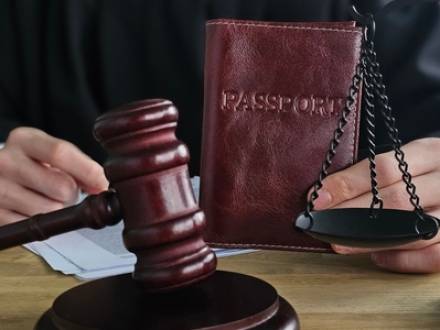 If you receive a Request for Evidence (RFE), it does not automatically mean your immigration case will be denied. An RFE means U.S. Citizenship and Immigration Services (USCIS) needs more information before making a decision.
In 2026, RFEs remain common across many application types, and how you respond can directly affect the outcome of your case. If you have questions about an RFE, our Dallas, TX immigration lawyer can help you understand what USCIS is asking for and how to respond properly.
What Is a Request for Evidence From USCIS?
An RFE is a formal notice sent by USCIS when an application or petition is missing information, contains inconsistencies, or needs clarification. USCIS issues RFEs under its general authority to request additional documentation, including under 8 C.F.R. § 103.2(b)(8), which allows officers to seek more evidence before approving or denying a case.
An RFE does not restart your case, but it does pause processing until USCIS receives your response or the response deadline passes. The notice will explain what evidence is missing and how long you have to respond. Keep in mind that these deadlines are strict. If USCIS does not receive a complete response on time, the application can be denied without further review.
Why Are RFEs So Common in Immigration Cases?
RFEs are common because immigration applications involve detailed forms, supporting documents, and legal standards that vary by case type. Even small issues can trigger a request for more information.
Common reasons USCIS issues RFEs include:
- Missing required documents
- Inconsistencies between forms and supporting evidence
- Questions about eligibility requirements, such as income thresholds or job duties
- Requests for updated evidence when processing times extend
In 2025, USCIS increased scrutiny in many categories, including family-based petitions, employment-based visas, and adjustment of status applications. As processing continues into 2026, RFEs remain a routine part of the process rather than an exception.
What Types of Evidence Does USCIS Usually Request?
The evidence USCIS asks for depends on the type of application and the specific concerns raised by the reviewing officer. Some RFEs are narrow, while others are broad and require careful organization.
USCIS may request evidence related to:
- Proof of lawful entry, status, or continuous presence
- Financial documentation, such as tax returns or affidavits of support
- Employment records, job descriptions, or employer letters
- Proof of a qualifying family relationship or bona fide marriage
Each RFE lists the exact items USCIS wants reviewed. Submitting extra, unrelated documents can sometimes create confusion. You want to provide clear, responsive evidence that directly addresses each issue raised.
How Much Time Do You Have To Respond to an RFE?
USCIS sets a specific deadline in every Request for Evidence. Most of the time it is between 30 and 90 days, depending on the case type and the evidence requested. The deadline is printed on the notice and is not flexible.
Under USCIS rules, late responses are not accepted. If the response arrives even one day after the deadline, USCIS may deny the application based on the existing record. The simplest mistake, like sending it to the wrong address or being a day late, can really harm your case.
What Happens After You Respond to a Request for Evidence?
Once USCIS receives your response, the case returns to active review. Officers will evaluate whether the new evidence resolves the concerns raised in the RFE. At that point, USCIS may approve the case, issue a denial, or, in some situations, send a second request.
Because RFEs often focus on technical or factual issues, how the response is framed can matter just as much as the documents themselves.
Should You Get Legal Help With an RFE?
Many people try to handle RFEs on their own, but mistakes can be costly. RFEs are often written in broad or technical language, making it hard to tell what USCIS truly needs.
An immigration attorney can help:
- Identify the real issue behind the RFE.
- Organize evidence in a clear, logical way.
- Ensure the response complies with USCIS rules and deadlines.
- Reduce the risk of avoidable errors or omissions.
Because RFEs pause your case, the response stage is often one of the most important parts of the process.
Schedule Your Free Consultation With Our Plano, TX Immigration Attorney
At Law Office of Jae Lee, we are focused on helping individuals and families navigate the immigration process with confidence. Attorney Jae Lee works directly with clients, providing one-on-one guidance at every stage of a case. He understands how stressful immigration matters can be on a personal level, especially with the changes of 2025. He has seen his own parents go through the immigration process.
If you received an RFE or want help preparing a strong immigration application, call 214-799-5062 to schedule a free consultation with our Dallas, TX immigration lawyer today. We can work with you remotely, if necessary.


From our offices in Dallas and Plano, Texas, we serve clients throughout the surrounding areas including Fort Worth, Irving, Arlington, Farmers Branch, Frisco, Carrollton, Garland, Addison, Richardson, Allen, Murphy, Wylie, McKinney, Dallas County, Collin County, Denton County, and all of Northeastern Texas.
Results listed are not a guarantee or indication of future case results.
Contact Our Firm
 The use of the Internet or this form for communication with the firm or any individual member of the firm does not establish an attorney-client relationship. Confidential or time-sensitive information should not be sent through this form.
I have read and understand the Disclaimer and Privacy Policy.